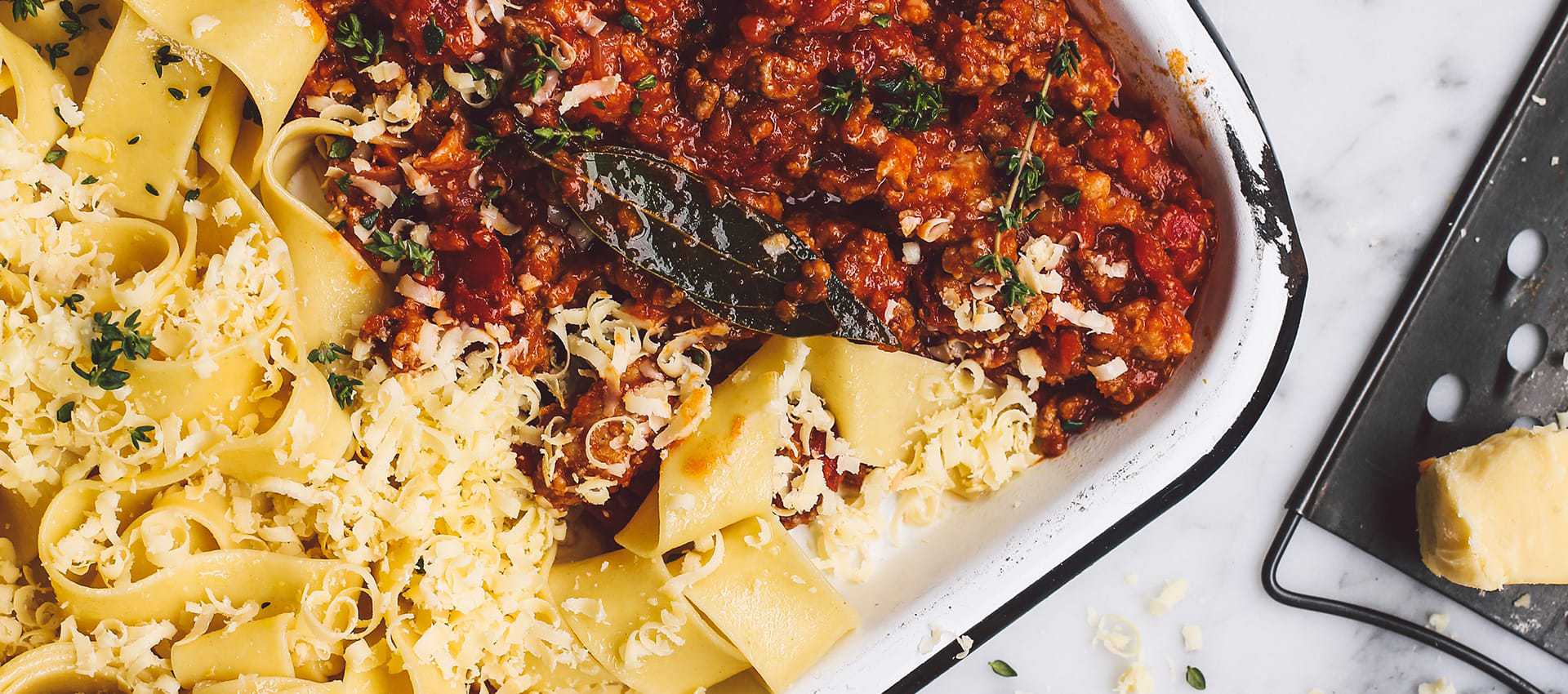
Pappardelle, with its broad, flat, and often wavy ribbons, is more than just a pasta shape; it's a culinary canvas designed to embrace and elevate the richest sauces. Originating from Tuscany, its name derived from the Italian verb pappare, meaning "to gobble up," perfectly describes the joy of enjoying this hearty noodle. Its substantial texture and generous surface area make it an ideal companion for robust, slow-cooked concoctions that thinner pastas simply can't handle. If you're looking to master the perfect pappardelle pasta recipe, understanding the art of sauce pairing is paramount.
This article will guide you through the best sauces that complement pappardelle's unique characteristics, transforming your meal from ordinary to extraordinary. We'll explore classic meat ragus, earthy vegetarian options, and practical tips to ensure every strand is perfectly coated and bursting with flavor.
The Art of Pairing: Why Pappardelle Needs the Right Sauce
The beauty of pappardelle lies in its magnificent structure. Unlike delicate spaghetti or fine capellini, pappardelle is a powerhouse. Its width, typically about 2-3 cm (1 inch), and often slightly rough or porous texture (especially with fresh or artisanal varieties) make it perfectly suited for clinging to thick, chunky, and deeply flavorful sauces. This isn't a pasta for light, oil-based dressings or thin tomato sauces; it demands substance.
Imagine a rich ragu with tender pieces of meat or a creamy mushroom sauce. Pappardelle acts like a natural spoon, scooping up all the delicious morsels and ensuring every bite delivers a full spectrum of flavors. When the pasta is cooked perfectly al dente, it provides a satisfying chew that stands up to the sauce, creating a harmonious balance in texture. For a deeper dive into what makes this pasta so special, explore Why Pappardelle? Uncover This Hearty Italian Pasta Recipe.
The right sauce creates a symphonic experience where the pasta and sauce become one, rather than two separate components on a plate. The goal is an emulsified coating that clings beautifully to each ribbon, allowing the distinct qualities of your pappardelle pasta recipe to shine.
Classic Ragus and Meaty Marvels
When most people think of pappardelle, they often picture it swimming in a rich, slow-cooked meat sauce, and for good reason. These pairings are traditional and utterly delicious, embodying the rustic spirit of Italian cuisine.
Wild Boar Ragu (Ragù di Cinghiale)
Perhaps the most iconic pairing for pappardelle, particularly in Tuscany, is the wild boar ragu. This isn't just a sauce; it's a labor of love, often braised for hours until the meat is incredibly tender and infused with aromatic herbs, red wine, and a hint of tomato. The gamey flavor of wild boar is perfectly tempered by the slow cooking process, resulting in a robust, deeply savory sauce that absolutely coats the wide pappardelle ribbons. The generous surface area of the pasta provides ample space for the shredded meat and rich sauce to cling, making every mouthful an authentic Tuscan experience.
Beef Ragu (Ragù alla Bolognese-style)
While often associated with tagliatelle, a rich, slow-simmered beef ragu also finds a perfect home with pappardelle. This isn't the quick meat sauce you might whip up on a weeknight. A proper Bolognese-style ragu involves a soffritto of finely diced vegetables (onion, carrot, celery), ground beef (or a mix of beef and pork), white or red wine, milk (for tenderness), and a long, gentle simmer with tomatoes. The result is a dense, complex sauce with incredibly tender meat that nestles beautifully between the wide folds of pappardelle. It's a comforting and immensely satisfying pappardelle pasta recipe.
Mushroom and Sausage Ragu
For a hearty alternative that still brings a meaty depth, a ragu featuring savory Italian sausage and earthy mushrooms is an excellent choice. Brown crumbled sausage until crispy, then add a medley of mushrooms (cremini, shiitake, or even rehydrated porcini for extra umami). Deglaze with white wine, add a touch of cream or tomato passata, and let it simmer briefly. The chunks of sausage and mushrooms provide delightful texture against the smooth pappardelle, while the rich, savory sauce coats every strand. It’s a wonderful option for those who enjoy a robust flavor profile without the long braising time of traditional beef or boar ragu.
Creamy Indulgences and Vegetarian Delights
Pappardelle isn't exclusively for meat lovers. Its broad structure also makes it an excellent vehicle for creamy, luxurious, and even vibrant vegetarian sauces, allowing them to showcase their textures and flavors beautifully.
Creamy Mushroom Sauce
An earthy and elegant option, a creamy mushroom sauce can be surprisingly rich and satisfying. Sauté a generous amount of various mushrooms (oyster, cremini, porcini) with garlic and shallots. Deglaze with white wine, then add heavy cream or a mix of vegetable broth and cream cheese for a lighter but still velvety texture. Finish with fresh thyme or parsley and a generous grating of Parmesan cheese. The wide pappardelle ribbons are perfect for scooping up the sliced mushrooms and rich, aromatic sauce, creating a deeply flavorful and comforting vegetarian pappardelle pasta recipe.
Butternut Squash Sauce with Sage
Embrace seasonal flavors with a vibrant butternut squash sauce. Roasted butternut squash, blended until smooth with vegetable broth, a touch of cream (or coconut milk for a dairy-free option), and infused with fresh sage, creates a velvety, sweet, and savory sauce. The natural sweetness of the squash pairs wonderfully with the aromatic, slightly peppery sage. Pappardelle's wide surface is ideal for holding this thick, luxurious sauce, ensuring each bite is packed with its autumnal essence. A sprinkle of toasted walnuts or a drizzle of brown butter adds another layer of complexity.
Pesto with a Twist (or Creamy Pesto)
While classic Pesto Genovese is often paired with thinner pasta, pappardelle can surprisingly work well, especially if the pesto is made a bit looser with extra olive oil or pasta water, or better yet, a creamy pesto variation. Incorporating a dollop of mascarpone, ricotta, or a splash of cream into your fresh pesto creates a richer, more substantial sauce that clings beautifully to the pappardelle. The vibrant basil, pine nuts, garlic, and Parmesan are still the stars, but the added creaminess gives it the body needed to stand up to the wide noodles. This offers a fresh, herbaceous, yet satisfying alternative for your pappardelle pasta recipe.
Tips for Elevating Your Pappardelle Pasta Recipe
Beyond choosing the right sauce, a few key techniques can truly make your pappardelle dish sing:
- Homemade vs. Dried: While excellent dried pappardelle exists, nothing beats the texture and chewiness of fresh, homemade pasta. If you’re feeling adventurous, learning to make your own pappardelle is a rewarding experience that will elevate your dishes immensely. Consider exploring Homemade Pappardelle Pasta Recipe: A Beginner's Guide to get started.
- Cook Al Dente: Pappardelle, especially homemade, should be cooked until it's al dente – firm to the bite. This provides essential textural contrast to the often soft and rich sauces, preventing your dish from becoming mushy.
- The Magic of Pasta Water: Always reserve a cup or two of the starchy pasta cooking water. Adding a ladleful to your sauce at the end helps to emulsify it, creating a glossy, cohesive consistency that adheres perfectly to the pasta. It also adds a subtle salty flavor.
- Finish in the Pan: Once the pappardelle is al dente, drain it (reserving pasta water) and transfer it directly into the pan with your warmed sauce. Toss vigorously for a minute or two over medium heat. This allows the pasta to absorb more flavor from the sauce and for the sauce to cling better.
- Garnish Generously: A final flourish makes all the difference. Freshly grated Parmigiano-Reggiano or Pecorino Romano, a drizzle of high-quality extra virgin olive oil, a sprinkle of fresh herbs (parsley, basil, thyme, or sage), or even toasted nuts can add depth, freshness, and visual appeal.
- Don't Over-Sauce: While pappardelle loves rich sauces, balance is key. The goal is for the pasta to be beautifully coated, not drowned. Start with a good amount of sauce, toss, and add more if needed.
Conclusion
Pappardelle is a truly magnificent pasta, offering a unique canvas for some of Italy's most flavorful and satisfying sauces. Its broad, robust nature demands a sauce that can match its character, whether that's a slow-simmered wild boar ragu, a hearty mushroom and sausage medley, or a velvety butternut squash creation. By understanding the pasta's characteristics and applying a few simple cooking tips, you can transform your next meal into an authentic and unforgettable experience. Don't be afraid to experiment and find your favorite combination; with pappardelle, the possibilities for an exceptional pappardelle pasta recipe are as wide as its ribbons.
