Why Pappardelle? Uncover This Hearty Italian Pasta Recipe
In the vast and wonderful world of Italian pasta, few shapes command as much presence and reverence as pappardelle. These broad, flat, and often rough-textured ribbons hail primarily from Tuscany, a region celebrated for its robust flavors and rustic culinary traditions. More than just a vehicle for sauce, pappardelle is an experience in itself – a pasta that demands attention and rewards with unparalleled satisfaction. If you're looking to elevate your pasta nights from ordinary to extraordinary, understanding and mastering a great pappardelle pasta recipe is your key. Let's delve into what makes this pasta so special and how you can bring its hearty charm to your own kitchen.
What Makes Pappardelle Unique? The Tuscan Broad Noodle
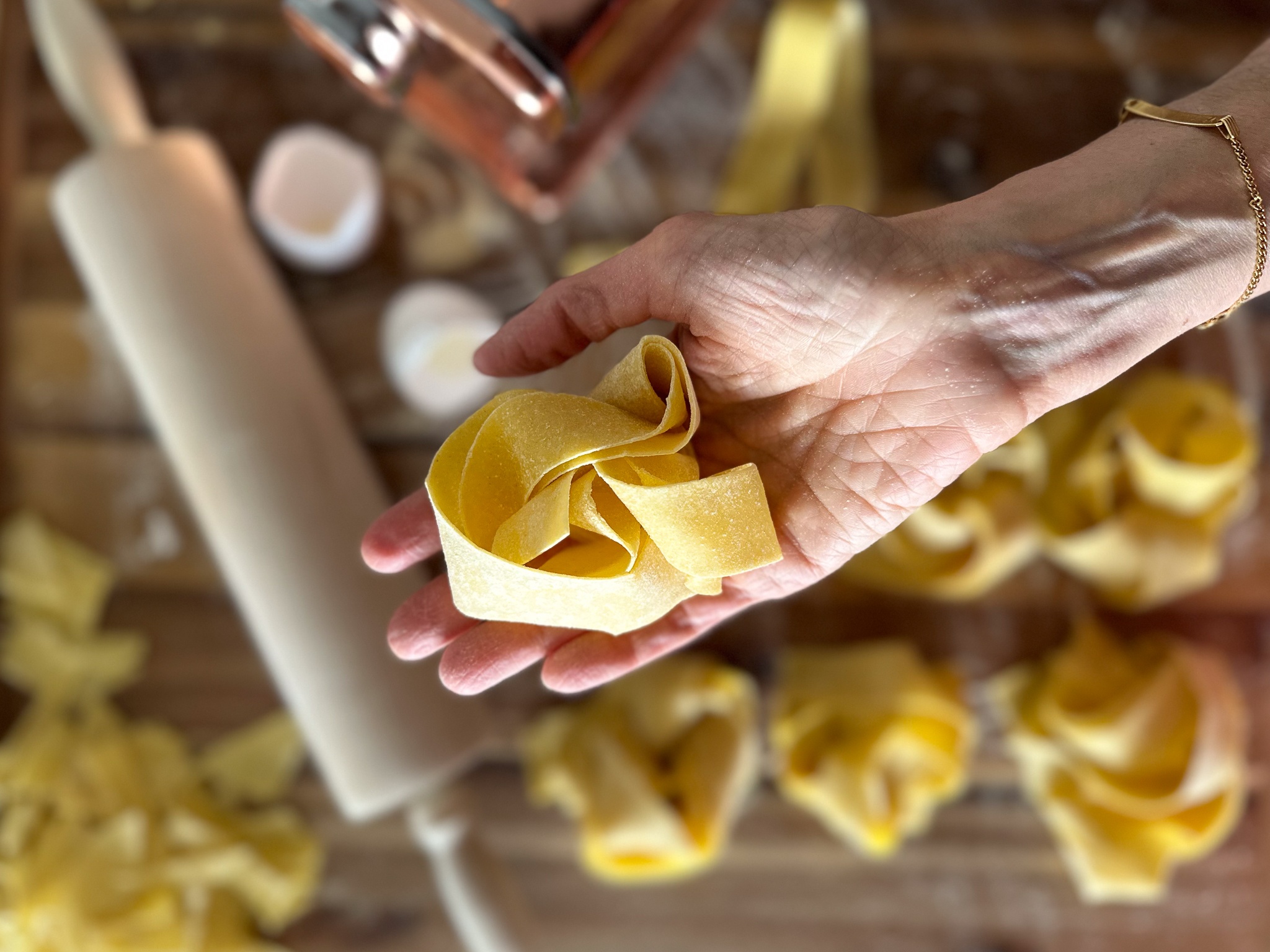
The name "pappardelle" itself offers a clue to its delightful character, deriving from the Italian verb 'pappare,' which means "to gobble up" or "to eat with gusto." And that's precisely what this pasta encourages. Originating from the central Italian region of Tuscany, pappardelle stands out due to its impressive width, typically 2 to 3 centimeters (¾ to 1 inch). This makes it significantly wider than its more common cousins like fettuccine or tagliatelle, though it shares their flat, ribbon-like form.
The magic of pappardelle lies not just in its size, but often in its texture. Traditionally, it's made with egg pasta dough, resulting in a rich, pliable noodle. When handmade or crafted with artisanal care, the surface can be slightly rough or porous. This characteristic is crucial, as it provides an exceptional ability to cling to and absorb dense, savory sauces. Unlike thinner pastas that might struggle with weighty ragùs, pappardelle embraces them, ensuring every bite is a perfect marriage of pasta and flavor.
Its rustic charm and hearty nature make it the ideal companion for the rich, slow-cooked meat sauces that are a hallmark of Tuscan cuisine. Think wild boar ragù (ragù di cinghiale), a classic pairing, or other slow-braised beef and game sauces. But its versatility extends far beyond, making it a beloved choice for a wide array of gourmet dishes.
Mastering the Pappardelle Pasta Recipe: A Classic Beef Ragu
While pappardelle pairs beautifully with many sauces, a slow-cooked beef ragù is arguably one of its most iconic and satisfying partners. This pappardelle pasta recipe celebrates comfort, flavor, and the joy of a meal made with love. Here’s how to create a rich, deeply flavored beef ragù that will become a staple in your culinary repertoire.
Ingredients for a Hearty Beef Ragu with Pappardelle
- For the Ragu:
- 2 lbs (approx. 900g) boneless beef chuck, cut into 1-2 inch cubes
- 2 tablespoons olive oil
- 1 large onion, finely chopped
- 2 carrots, finely chopped
- 2 celery stalks, finely chopped
- 4 cloves garlic, minced
- ½ cup dry red wine (e.g., Chianti, Cabernet Sauvignon)
- 1 (28-ounce) can crushed tomatoes
- 1 (14.5-ounce) can diced tomatoes
- 2 cups beef broth
- 2 bay leaves
- 1 sprig fresh rosemary
- Salt and freshly ground black pepper to taste
- For the Pappardelle:
- 1 lb (approx. 450g) dried pappardelle (or fresh, see tip below)
- Salt for pasta water
- For Serving:
- Freshly grated Pecorino Romano or Parmesan cheese
- Fresh parsley or basil, chopped (optional)
Preparation Steps for Your Hearty Pappardelle Pasta Recipe
- Sear the Beef: Pat the beef cubes dry with paper towels. Season generously with salt and pepper. Heat olive oil in a large Dutch oven or heavy-bottomed pot over medium-high heat. Brown the beef in batches on all sides until deeply colored, about 5-7 minutes per batch. Remove the beef and set aside.
- Build the Soffritto: Reduce heat to medium. Add the chopped onion, carrots, and celery to the pot. Sauté, stirring occasionally, until softened and lightly golden, about 8-10 minutes. Add the minced garlic and cook for another minute until fragrant.
- Deglaze: Pour in the red wine, scraping up any browned bits from the bottom of the pot with a wooden spoon. Let the wine simmer until it has mostly evaporated, about 3-5 minutes.
- Combine & Simmer: Return the seared beef to the pot. Stir in the crushed tomatoes, diced tomatoes, beef broth, bay leaves, and rosemary sprig. Bring the mixture to a gentle simmer.
- Slow Cook: Reduce the heat to low, cover the pot, and let it simmer gently for at least 2.5 to 3 hours, or even longer (up to 4 hours), stirring occasionally. The longer it simmers, the more tender the beef will become, and the flavors will meld beautifully. The beef should be fork-tender and easily shreddable.
- Shred the Beef: Once cooked, remove the bay leaves and rosemary sprig. Take the beef out of the pot and shred it into smaller pieces using two forks. Return the shredded beef to the sauce. Taste and adjust seasoning with salt and pepper as needed.
- Cook the Pappardelle: Bring a large pot of heavily salted water to a rolling boil. Add the pappardelle and cook according to package instructions until al dente (usually 8-10 minutes for dried, much less for fresh). Before draining, reserve about 1 cup of the starchy pasta water.
- Finish & Serve: Drain the pappardelle and add it directly to the pot with the ragù. Toss well to coat the pasta evenly. If the sauce seems too thick, add a little of the reserved pasta water, a tablespoon at a time, until it reaches your desired consistency. Serve immediately, garnished with generous amounts of freshly grated Pecorino Romano or Parmesan cheese and fresh parsley or basil.
Tip for Fresh Pappardelle: If you're feeling adventurous and want to experience pappardelle at its absolute finest, consider making your own! Our guide, Homemade Pappardelle Pasta Recipe: A Beginner's Guide, walks you through the rewarding process step-by-step. Fresh pappardelle cooks much faster, typically in just 2-4 minutes.
The Versatility of Pappardelle: Beyond the Ragu
While a robust ragù is a match made in heaven for pappardelle, its unique characteristics allow it to shine with a surprising variety of sauces. The broad surface area and inherent heartiness mean it can stand up to rich, creamy, and even slightly chunky sauces without being overwhelmed.
- Creamy Indulgences: Pappardelle is exquisite with creamy mushroom sauces, particularly those featuring wild mushrooms like porcini or chanterelles. A truffle cream sauce or a luxurious saffron cream sauce also finds a perfect home on these wide noodles.
- Vegetarian Delights: Don't limit pappardelle to meat dishes. A hearty vegetarian option could be a rich roasted red pepper sauce, a creamy pesto with sun-dried tomatoes, or a substantial vegetable ragù featuring lentils, mushrooms, and root vegetables.
- Lighter, Yet Flavorful: For something a bit lighter but still deeply flavorful, consider a sauce based on slow-roasted cherry tomatoes, garlic, and fresh herbs, perhaps with a touch of chili flake and a splash of white wine. Even a simple butter and sage sauce, especially if you're using fresh pasta, can be incredibly elegant.
The key is to select sauces that benefit from the pasta's ability to hold onto a lot of flavor. Avoid very thin or watery sauces that might slide off. For more inspiration and detailed pairings, be sure to check out our comprehensive article on Best Sauces for Pappardelle: Enhance Your Pasta Recipe, which explores numerous delicious options to elevate your pappardelle experience.
Expert Tips for the Perfect Pappardelle Experience
To ensure your pappardelle pasta recipe is nothing short of spectacular every time, keep these expert tips in mind:
- Don't Overcook: Pappardelle, especially dried varieties, can become mushy if overcooked. Always cook until al dente – firm to the bite. Fresh pasta cooks very quickly, so stay vigilant!
- Salt Your Pasta Water: This is non-negotiable. The water should taste like the sea. This is your only chance to season the pasta itself from the inside out.
- Reserve Pasta Water: Always save a cup or two of the starchy pasta cooking water before draining. It's a secret weapon for emulsifying sauces, making them smoother, silkier, and helping them cling better to the pasta.
- Finish in the Sauce: For the best results, drain the pappardelle a minute or two before it's fully cooked and transfer it directly into the pan with your warm sauce. Finish cooking it in the sauce, tossing vigorously. This allows the pasta to absorb the sauce's flavors, creating a more cohesive dish. Use some reserved pasta water if needed to achieve the right consistency.
- Freshly Grate Cheese: Pre-grated cheese often contains anti-caking agents that can make it melt poorly and reduce flavor. Opt for freshly grated Parmigiano-Reggiano or Pecorino Romano for superior taste and texture.
- Pair with Wine: For a hearty ragù, a full-bodied red wine like a Chianti Classico, Brunello di Montalcino, or a Nebbiolo will complement the rich flavors beautifully.
Conclusion
Pappardelle is more than just a pasta shape; it's a celebration of rustic Italian cooking, a testament to how simple ingredients can create profound flavors. Its generous width and satisfying texture make it the ultimate choice for absorbing rich, slow-cooked sauces, transforming any meal into a comforting and memorable experience. Whether you choose to embark on the rewarding journey of making your own fresh pappardelle or opt for a high-quality dried version, mastering a delicious pappardelle pasta recipe like the classic beef ragù will undoubtedly earn you rave reviews. So, gather your ingredients, embrace the joy of slow cooking, and prepare to gobble up the incredible flavors of this beloved Tuscan noodle.
